 SeaMemo
Boat license: do you need one, and how do you get it?
It depends on where you boat. In the US there is no single national boat license: each state sets its own boater education rules, and most have a requirement for at least some operators. In the UK you need no licence to skipper a pleasure boat, but many sailors take RYA courses and get the ICC for chartering abroad. Canada requires proof of competency, usually the Pleasure Craft Operator Card, for anyone driving a boat with a motor. In Australia each state issues its own licence for powered boats.
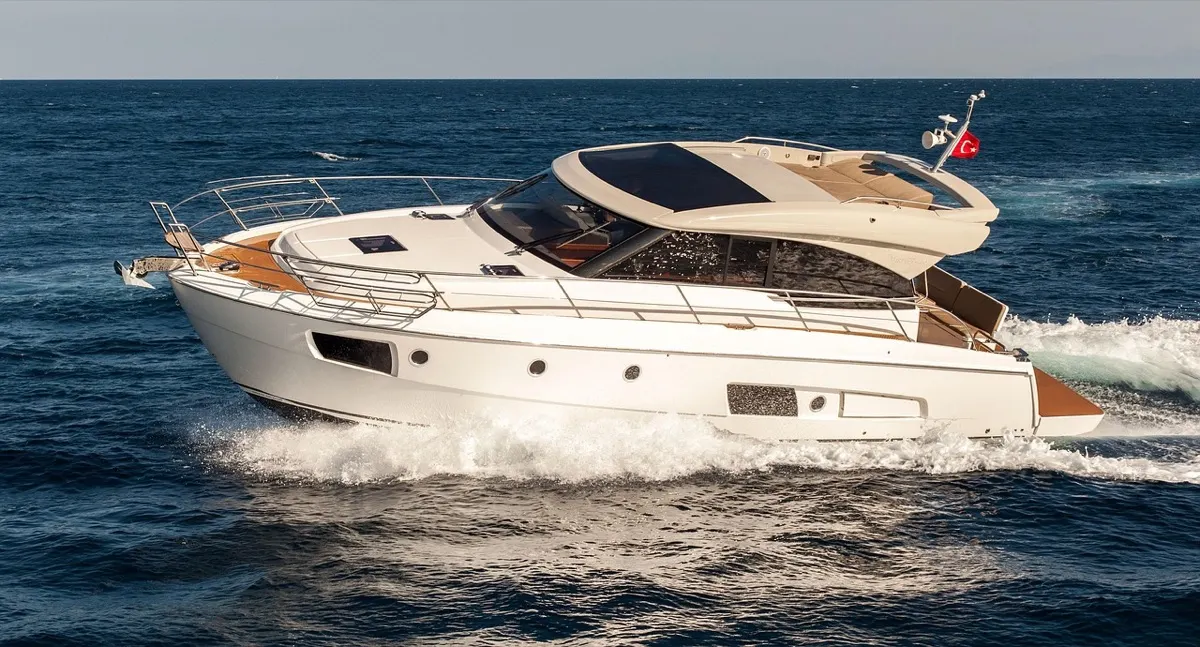
Boat license rules at a glance
| Country | Who needs it | What you get |
|---|---|---|
| United States | Set by each state, usually by date of birth and often by engine horsepower | Proof of boater education, rules and cards differ by state |
| United Kingdom | No licence for pleasure boats | Optional RYA courses such as Day Skipper, Yachtmaster exams, ICC for abroad |
| Canada | Anyone operating a boat with a motor | Pleasure Craft Operator Card, good for life |
| New South Wales | From 10 knots, and for any personal watercraft | General boat licence from age 12 |
| Victoria | Anyone operating a powered recreational vessel | Marine licence through VicRoads |
United States: boater education by state
There is no single national boat license in the US. The Coast Guard's guide to federal requirements tells boaters to check boater education and operator requirements with the boating agency for their area. According to a Coast Guard policy letter from 2023, more than 80 percent of the 56 states, territories and the District of Columbia have such a requirement, and these requirements are knowledge based: none of them requires training on the water.
- Born on or after a date. Most states tie the rule to the operator's date of birth. Maryland, for example, covers anyone born on or after July 1, 1972 who operates a motorized vessel.
- Engine power. Many states define the rule by horsepower. In Florida it applies to operators aged 21 or younger on boats with 10 hp or more.
- A course for everyone. The Coast Guard recommends a boating safety course to every boater, whether the state requires it or not. Courses are available online, by home study and in the classroom.
The national tables are not always up to date, so always confirm the current rule, age limits and accepted courses with the state you boat in.

United Kingdom: no licence, but certificates
In the UK you do not need a boatmasters' licence to be in charge of a pleasure vessel, including hire boats used as pleasure vessels. On canals and rivers it is the boat that usually needs to be registered or licensed with the navigation authority, not the skipper, and boating without one can mean a fine of up to £1,000.
Most sailors still train with the RYA:
- Day Skipper teaches you to skipper a sail or motor cruiser safely by day in familiar waters.
- Yachtmaster comes at Coastal, Offshore and Ocean level. These certificates of competence are awarded by an exam, not at the end of a training course. How many miles you need is in our guide to sea miles for RYA Yachtmaster.
- Short Range Certificate (SRC) is the minimum qualification required by law to operate a VHF or DSC radio on a British flagged boat. You need an operator's licence for a handheld set too, and you must be 16 to take the exam. For spelling over the radio, see the NATO phonetic alphabet.
Canada: the Pleasure Craft Operator Card
Everyone who operates a power driven boat in Canada needs proof of competency. The most common one is the Pleasure Craft Operator Card (PCOC).
- Who needs it: anyone driving a boat fitted with a motor, including a sailboat with an auxiliary motor, even when it is under sail. Boats without a motor are exempt, and so are the waters of Nunavut and the Northwest Territories.
- How to get it: take a boating safety course in person or online with a Transport Canada accredited provider and pass the test. You can also take the test without the course, but not online, and only once in every 24 hours. The course must be taken in Canada.
- Validity: the card is good for life.
- Visitors: non residents on their own foreign registered boat for less than 45 consecutive days are exempt. On a boat registered in Canada, including rentals and charters, the rules apply, and an operator card that meets the requirements of your home state or country is accepted.
Australia: licences by state
- New South Wales: you need a licence to drive at 10 knots (18.5 km/h) or more, and for any personal watercraft. Below 10 knots, including a sailing boat under engine, and for a sailing boat without an engine, no licence is needed. You can apply for a general boat licence from age 12 and need evidence of practical boating experience and a knowledge test. A PWC licence requires the general boat licence first.
- Victoria: anyone operating a powered recreational vessel needs a marine licence, including sailing boats with a motor. Licences are administered by VicRoads. A restricted licence covers ages 12 to under 16, and the personal watercraft endorsement starts at 16. A licence from another state is valid for three months.
The ICC and chartering abroad
The International Certificate for Operators of Pleasure Craft (ICC), once called the International Certificate of Competence, is evidence of competence for officials in foreign countries. It is issued under UNECE Resolution No. 40. In the UK the RYA issues it on behalf of the UK Government, under the authorisation of the Maritime and Coastguard Agency.
- You must be at least 16 and fit to operate a boat.
- You qualify with a recognised national certificate or by passing the ICC Assessment. For inland waters there is an extra CEVNI test.
- The ICC is valid for 5 years.
- Nationals of other countries that have adopted Resolution 40 can only get the UK ICC if they live in the UK.
When you charter abroad, you will generally need evidence of your competence. Whether a certificate is accepted depends on the flag state of the boat and the coastal state, so ask the charter company what it accepts before you book. Croatia, for example, publishes a table of recognised foreign certificates: in the version of May 2026 it accepts every ICC marked valid for C (coastal waters), and RYA certificates such as the Day Skipper practical course completion certificate for yachts up to 18 metres. If a VHF radio is fitted, Croatia also asks for a radio certificate. Be ready to show your experience too: how many miles, in which waters, whether you have skippered before. What to check when you take over the boat is in our charter boat handover checklist. How a charter without a skipper works, from licence to deposit, is explained in our guide to bareboat charter.
After the license: build your miles
A license shows you know the rules. Confidence at the helm comes with miles: trips with an experienced friend, a flotilla, a dedicated mile building trip. Write every leg into your logbook: date, route, miles, wind and your role on board. If you aim for Yachtmaster one day, these documented miles are exactly what you will need.


Common mistakes
- Assuming your home state's rules apply everywhere. In the US, every state sets its own rules. Check before you boat in another state.
- Forgetting the radio. In the UK a boat licence is not needed, but the VHF operator still needs the SRC.
- Thinking a sail means no card. In Canada a sailboat with an auxiliary motor needs proof of competency even under sail.
- Booking a charter first. Ask the charter company which certificate it accepts before you pay.
- Letting the ICC expire. It is valid for 5 years.
Sources
- US Coast Guard: A Boater's Guide to the Federal Requirements for Recreational Boats (PDF)
- US Coast Guard: Policy Letter 23-02 on recreational boat operator training (PDF) and state boating education requirements
- NASBLA: mandatory boating education
- GOV.UK: boatmasters' licence and register a boat
- MCA: MSN 1864 on radio operator certificates (PDF)
- RYA: about the ICC, evidence of competence, certificates of competence and SRC course and exam
- Croatian Ministry of the Sea: table of recognised foreign certificates (Croatian, DOCX)
- Transport Canada: Pleasure Craft Operator Card FAQ and information for visitors
- NSW Government: get a boat or PWC licence
- Safe Transport Victoria: licensing and registration
Get SeaMemo for free
Logbook, travel journal and crew in one app. For iPhone and Android, works offline at sea.


Frequently asked questions
Do you need a license to drive a boat in the US?
There is no single federal boat license. The US Coast Guard leaves boater education and operator requirements to the states, and more than 80 percent of the 56 states, territories and the District of Columbia have an education requirement. Most tie it to your date of birth and often to engine horsepower, so check with the boating agency of the state you boat in.
Do you need a licence to drive a boat in the UK?
No. You do not need a boatmasters' licence to be in charge of a pleasure vessel, and that includes hire boats used as pleasure vessels. On inland waterways the boat usually has to be registered or licensed with the navigation authority. To use a VHF radio you need at least the Short Range Certificate.
What is an ICC certificate?
The International Certificate for Operators of Pleasure Craft, formerly called the International Certificate of Competence, is evidence of competence that officials abroad can ask to see. It is issued under UNECE Resolution No. 40, in the UK by the RYA on behalf of the government. You need to be at least 16, and you qualify with a recognised national certificate or the ICC Assessment. It is valid for 5 years.
Do I need a license to rent a boat?
It depends on the country and the flag of the boat. If you charter abroad you will generally need evidence of competence, and you should ask the charter company what it accepts. In Canada, rental and charter boats registered in Canada fall under the operator card rules, and in Victoria, Australia, hire boats faster than 10 knots need a licence.
Does a sailboat need a license?
Often not, but it depends on the motor. In Canada a sailboat with an auxiliary motor needs proof of competency even under sail, while boats without a motor are exempt. In New South Wales a sailing boat without an engine needs no licence. In the UK no licence is needed for pleasure boats of any kind.
How long is a boat license valid?
Canada's Pleasure Craft Operator Card is good for life. The ICC is valid for 5 years. In the US and Australia, validity depends on the state that issued the card or licence.