 SeaMemo
How to crew on a sailboat: find a boat, what skippers want and what to agree first
To crew on a sailboat, you help sail the boat, stand watches, cook and pull your weight, and in return you get a berth, often without paying for the trip. You find places on crew finder sites, at your local sailing club, on the dock and before big ocean crossings. Skippers mainly want to know how much you have sailed and whether they can rely on you. Before you say yes, agree on costs, duties, where you can leave the boat and your travel documents, and meet the skipper and the boat first.
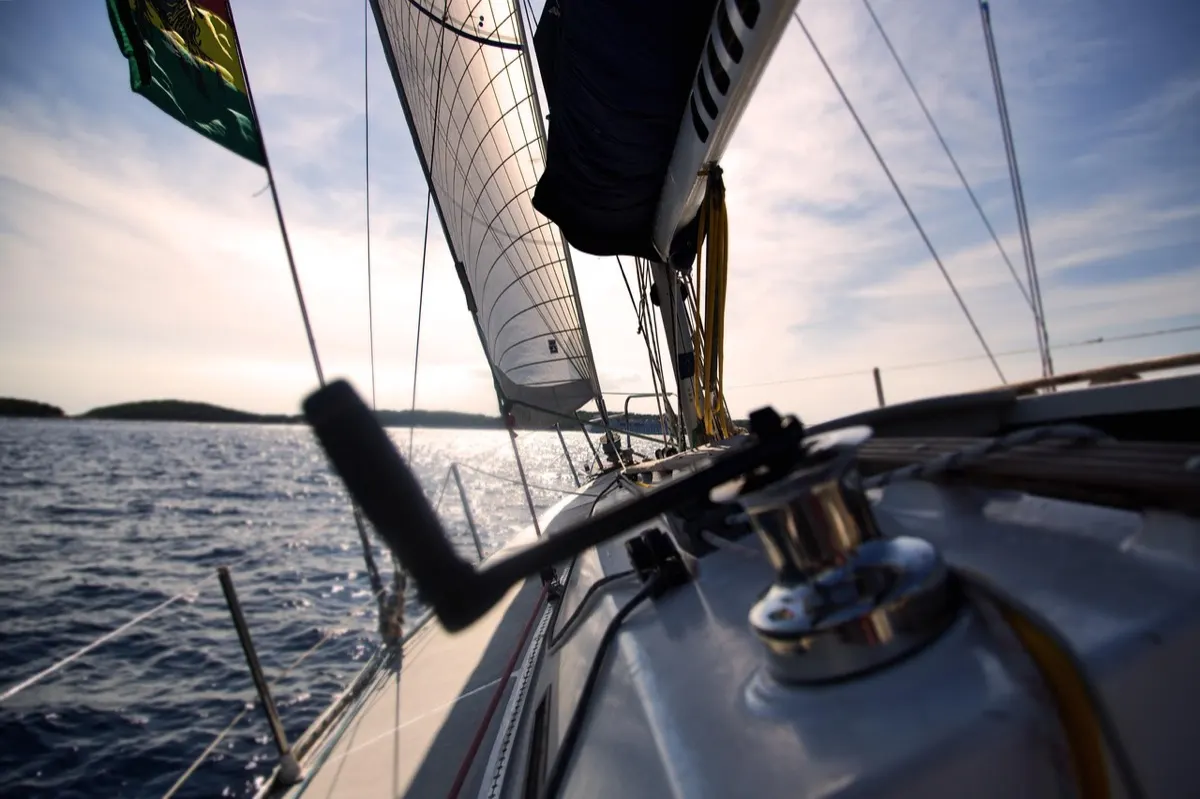
What crewing on someone else's boat means
Crewing is a trade: your hands and time for a place on board. On a delivery, an owner has the yacht taken to another port by a skipper and crew. The crew help sail the boat in shifts, day and night, and do the work that comes with life aboard. In return they travel without paying for the passage, but they are not paid either. In German this arrangement has its own name, "Hand gegen Koje", hands for a bunk.
Today "crew wanted" can mean very different things: a free ocean crossing, a shared charter week in Croatia or a paid berth on a training trip. That is fine, as long as everyone on board means the same thing before you leave.
Four ways aboard compared
| Type | What you pay | What you do | Good if |
|---|---|---|---|
| Work for passage (delivery, long passage) | travel to and from the boat, personal costs; boat costs as agreed | full crew duties, night watches, sail handling, cooking, cleaning | you have time, are flexible and want to cover miles |
| Crewing with a boat kitty | your share of food, marina fees and fuel | sailing, cooking, helping out | you want a sailing holiday with a private skipper |
| Paid berth or sail training trip | a fixed price for your place | sailing under a skipper, often with tuition | you want to build miles or learn on a set schedule |
| Club racing crew | usually just club fees or nothing | a fixed job aboard, for example bow or mainsheet | you want to sail regularly near home and learn fast |
If you want to build miles towards a qualification, read the guide to mile building trips as well. It covers distance, night passages and your role on board.
Where to find a boat as crew
- Crew finder sites: skippers post trips, crew post a profile. Crewbay describes itself as a free crewing service that connects amateur and professional crew with boats worldwide. Some clubs and cruising associations run their own crew lists for members.
- Sailing clubs and weeknight races: boats are often a hand short. Ask at the club or on the dock before the start. It is the quickest way to regular time on the water.
- On the dock: notes at the marina office and simply talking to owners still work, especially in ports where cruisers wait for their passage.
- Before big crossings: according to the organiser, the ARC transatlantic rally starts every November in Las Palmas de Gran Canaria and finishes in December in Rodney Bay, Saint Lucia, with around 150 boats. If you want to cross the Atlantic in autumn, the Canary Islands are the place to be.
- Friends and charter groups: many charter trips happen because a skipper looks for crew to share the cost. Tell people and sailing groups that you want to come along.

Can you crew without experience?
Yes, on many coastal trips and in club racing. Skippers then look less for perfect sailors than for people they can rely on, who listen and help. For an Atlantic crossing or a delivery with night watches, most skippers want crew with experience. Be honest about what you can do.
How to get up to speed quickly:
- Take a beginner course: the best known is the RYA Competent Crew course. The RYA calls it the essential starting point of its training. You live aboard a yacht and learn safety at sea and the skills a crew member needs.
- Learn the language on board: know port and starboard and the parts of a sailboat before your first trip.
- Practise knots: a bowline, a clove hitch and how to cleat a line can be learned at home. The essentials are in the guide to sailing knots.
- Take seasickness seriously: tell the skipper honestly if you are prone to it. What helps is in the guide to seasickness when sailing.
Your sailing CV: what skippers want to know
A good crew request often gets many replies. If you say briefly and concretely what you bring, you are more likely to be invited. Your sailing CV should include:
- Miles and sailing areas: how much and where you have sailed
- Night passages: whether you have stood night watches and how many night miles you have
- Your role: crew, helm, watch leader or skipper
- Licences and courses: for example RYA Competent Crew or Day Skipper, a VHF certificate, first aid
- Other skills: cooking for a crowd, engines and electrics, languages, photography
- Honest notes: seasickness, smoking, diet, when you are available and when you need to be back
With SeaMemo you do not have to dig out your miles. The sailor profile adds up nautical miles, hours at sea, night miles, ports and your longest leg from your recorded trips, and shows how many miles you sailed as skipper and how many as crew. Your statistics are only visible to friends and crew members, not public, so you simply show them on your phone when you meet. If you'd rather send your experience as a CV with skipper signatures, SeaMemo vs SailTies shows which app suits that.


Check the skipper and the boat before you say yes
As crew you spend days or weeks in a small space with people you barely know. Check them as carefully as the skipper checks you:
- Call first, then meet: a video call tells you a lot. Better still, a day sail or a weekend before a long passage together.
- Ask about the skipper's experience: how long have they sailed this boat, which passages have they done, what is the plan for bad weather?
- Talk to previous crew: ask for a contact who has sailed with them. A serious skipper will not mind.
- Look at the boat and the safety gear: a lifejacket with harness for everyone, jacklines on deck, a VHF radio, a liferaft for offshore passages. Ask to be shown where everything is.
- Ask about insurance: what cover does the boat have, are crew included? Abroad you need your own travel and health insurance.
- Trust your instinct: no clear plan, pressure to commit quickly, vague money requests or a boat in poor condition are reasons to walk away.

What to agree before you go
Most arguments on board come from things nobody said beforehand. Write down the key points, a message or email is enough:
- Boat kitty: what does the owner pay, what do you share? Food, marina fees and fuel usually go into the kitty. Agree on how you settle up.
- Travel: you normally pay your own way to and from the boat. Book a flexible flight home, because weather often moves departure and arrival by days.
- Duties and watch system: who cooks, who stands which watch, who may helm the boat?
- House rules: alcohol under way, smoking, quiet hours, shore leave.
- Getting off: in which port can you leave if it does not work out, and who pays your way home then?
- Documents: for clearing in and out abroad the skipper will usually ask for your passport details. Check the entry rules and visas for every country on the route, for example in the UK government's foreign travel advice or on Your Europe for the EU.
- Emergency contact: someone ashore knows the boat's name, the route and the planned arrival.
Log your miles as crew
Every mile you sail as crew is experience you can show later, for the next skipper and for your next course. What counts for RYA Day Skipper and Yachtmaster is in the guide on logging sea miles for RYA qualifications. Get your sea miles certificate signed while you are still in port: after a delivery the skipper often flies on straight away, and the ship's log stays with the boat.
With SeaMemo the skipper invites you into the trip, and with the crew feature everyone keeps the trip and their miles in their own profile. At the end you pick the legs, the skipper confirms them in the app and you get a sea miles certificate as a PDF: an English record for most countries, plus the official forms for the German and Austrian licences.


Common mistakes when crewing
- Overstating your experience. Finding out on your first night watch that you are out of your depth puts you and the crew at risk.
- Agreeing nothing in writing. Kitty and getting off seem obvious in port and are not at sea.
- Booking a fixed flight home. A weather window does not wait for your holiday plan.
- Bringing too much luggage. Space on a yacht is tight. A soft bag instead of a suitcase, more in the packing list.
- Not logging your miles. Without a record and a signature, the miles are hard to prove later. How to keep one is in the guide how to keep a sailing logbook.
Sources
- RYA: Competent Crew Practical Course and Wikipedia: Competent Crew
- Crewbay
- World Cruising Club: ARC
- der Freitag: Hand gegen Koje (German)
- GOV.UK: Foreign travel advice
- Your Europe: Travel documents
Get SeaMemo for free
Logbook, travel journal and crew in one app. For iPhone and Android, works offline at sea.


Frequently asked questions
Can you crew on a sailboat for free?
Often, yes. On deliveries and long passages many owners take crew who work aboard instead of paying for the trip: you stand watches, also at night, help with sail handling, cooking and repairs, and get a berth. You usually pay your own travel to and from the boat. Whether you also share food, fuel and marina fees is agreed beforehand.
Do I need experience to crew on a sailboat?
For coastal trips and club racing often not, as long as you are reliable and keen to help. For ocean passages most skippers look for crew with experience. A beginner course helps, for example the RYA Competent Crew course, which the RYA calls the starting point of its training and which takes place aboard a yacht.
Where can I find a boat to crew on?
On crew finder sites such as Crewbay, which describes itself as a free crewing service for amateur and professional crew, at sailing clubs and weeknight races, on the dock in marinas and before big crossings. The ARC transatlantic rally starts every November in Las Palmas de Gran Canaria, according to the organiser.
What is a boat kitty?
A shared fund for the running costs of the trip. Typically food, marina fees and fuel go into it, split between the people on board. How much goes in and who pays what depends on the boat and the trip, so agree on it in writing before you join.
What should I put in a sailing CV?
Your miles and sailing areas, night passages, your role on board (crew, helm, watch leader, skipper), licences and courses such as a VHF certificate or first aid, other useful skills like cooking or engines, and honest notes on seasickness and when you are available.
Am I insured as crew?
Nobody can answer that in general. Ask the skipper which insurance the boat has and whether crew are covered, and take out your own travel and health insurance for trips abroad. Read the terms of your policy before you go aboard.